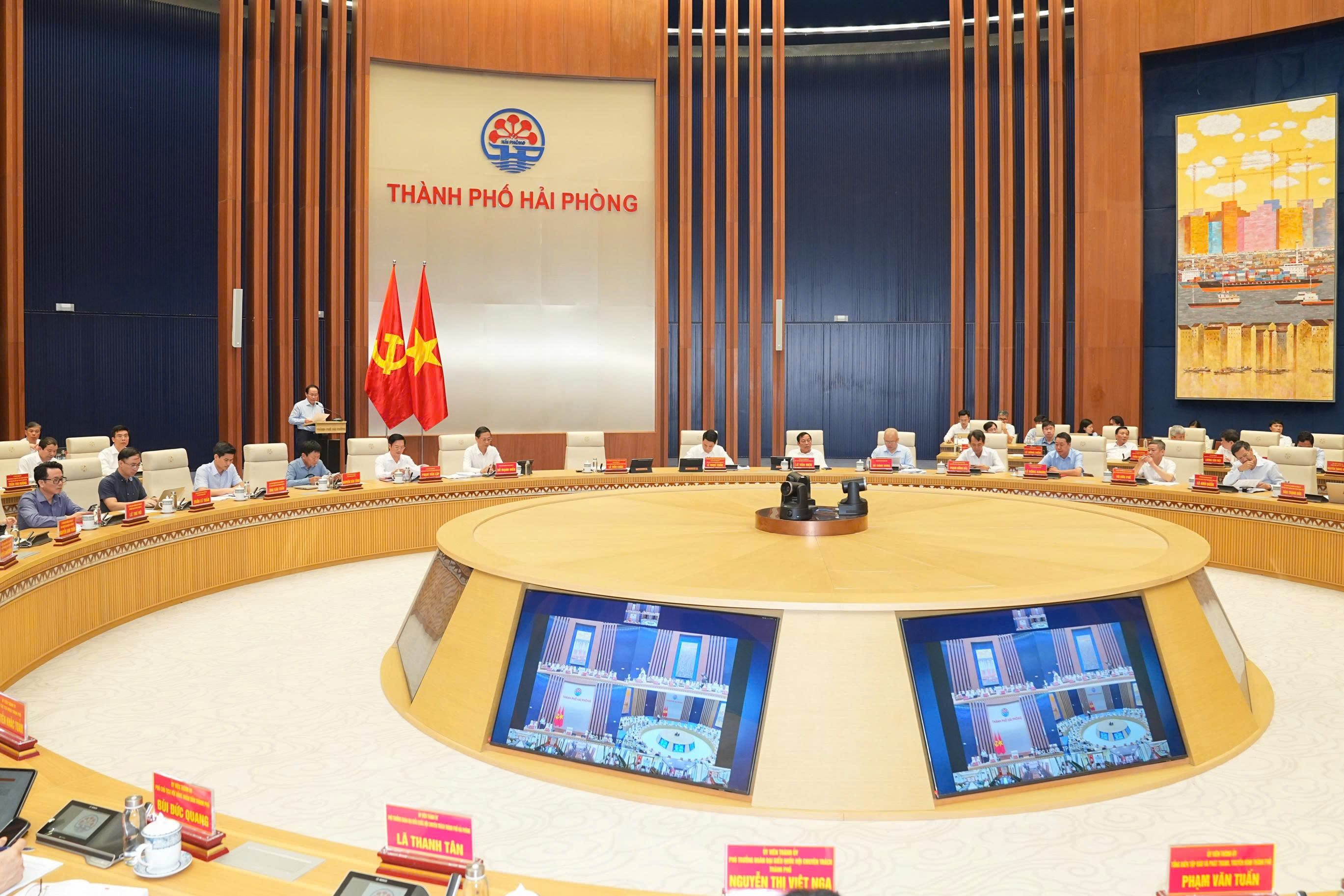
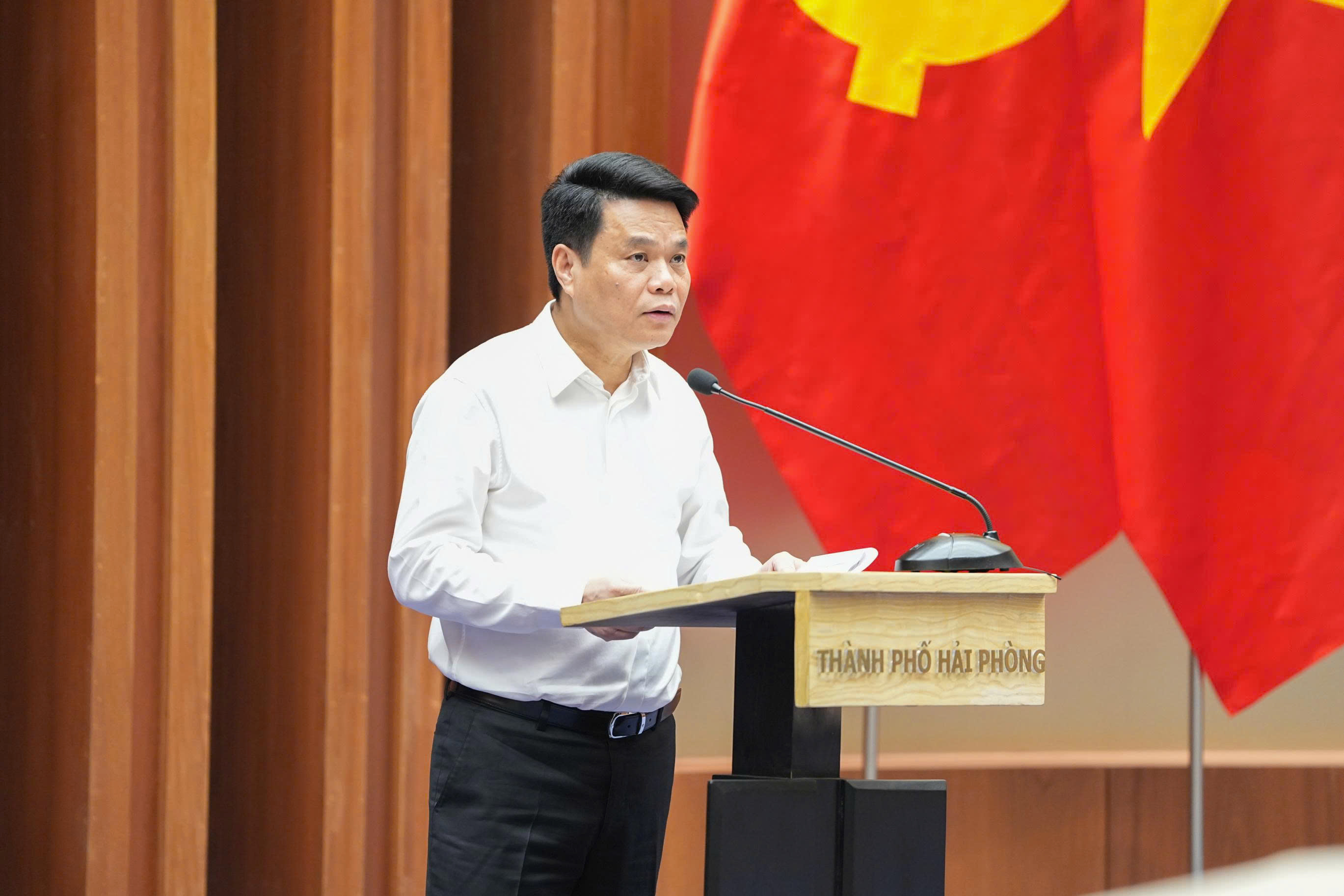
On the morning of April 3, Le Tien Chau, Party Central Committee member, Secretary of the Hai Phong Party Committee and Head of the city’s National Assembly delegation, chaired the third Party Committee Conference for the 2025–2030 term to review first-quarter tasks and set key directions and tasks for the coming period.
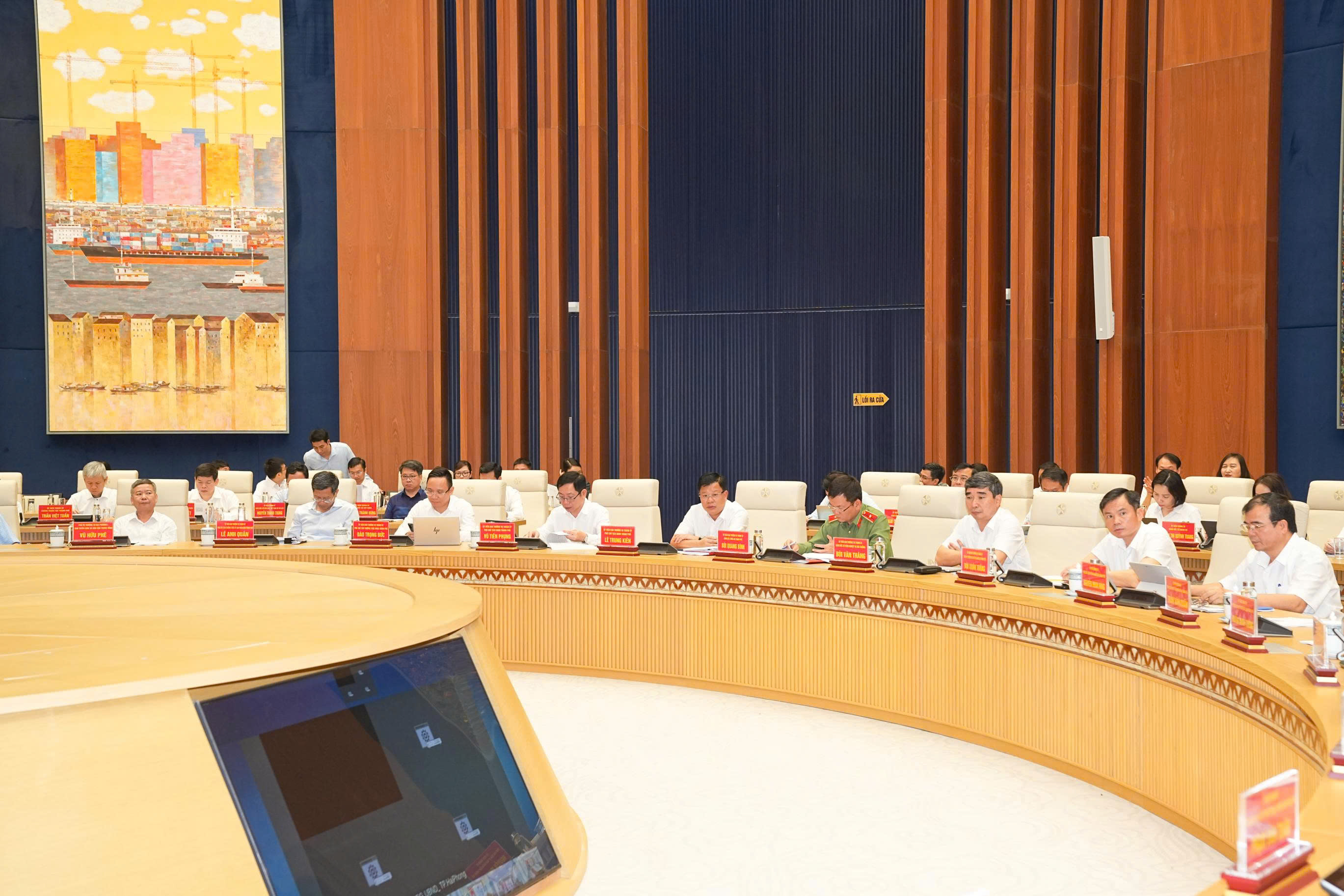
Attendees included Le Ngoc Chau, Party Central Committee member, Deputy Secretary of the Party Committee and Chairman of the city People’s Committee; Do Manh Hien, Permanent Deputy Secretary of the Party Committee; Le Van Hieu, Deputy Secretary of the Party Committee and Chairman of the People’s Council; Pham Van Lap, Deputy Secretary of the Party Committee and Chairman of the city Vietnam Fatherland Front Committee; Do Thanh Trung, Deputy Secretary of the Party Committee; members of the Party Committee Standing Board and Party Committee, and leaders of departments, sectors and agencies.
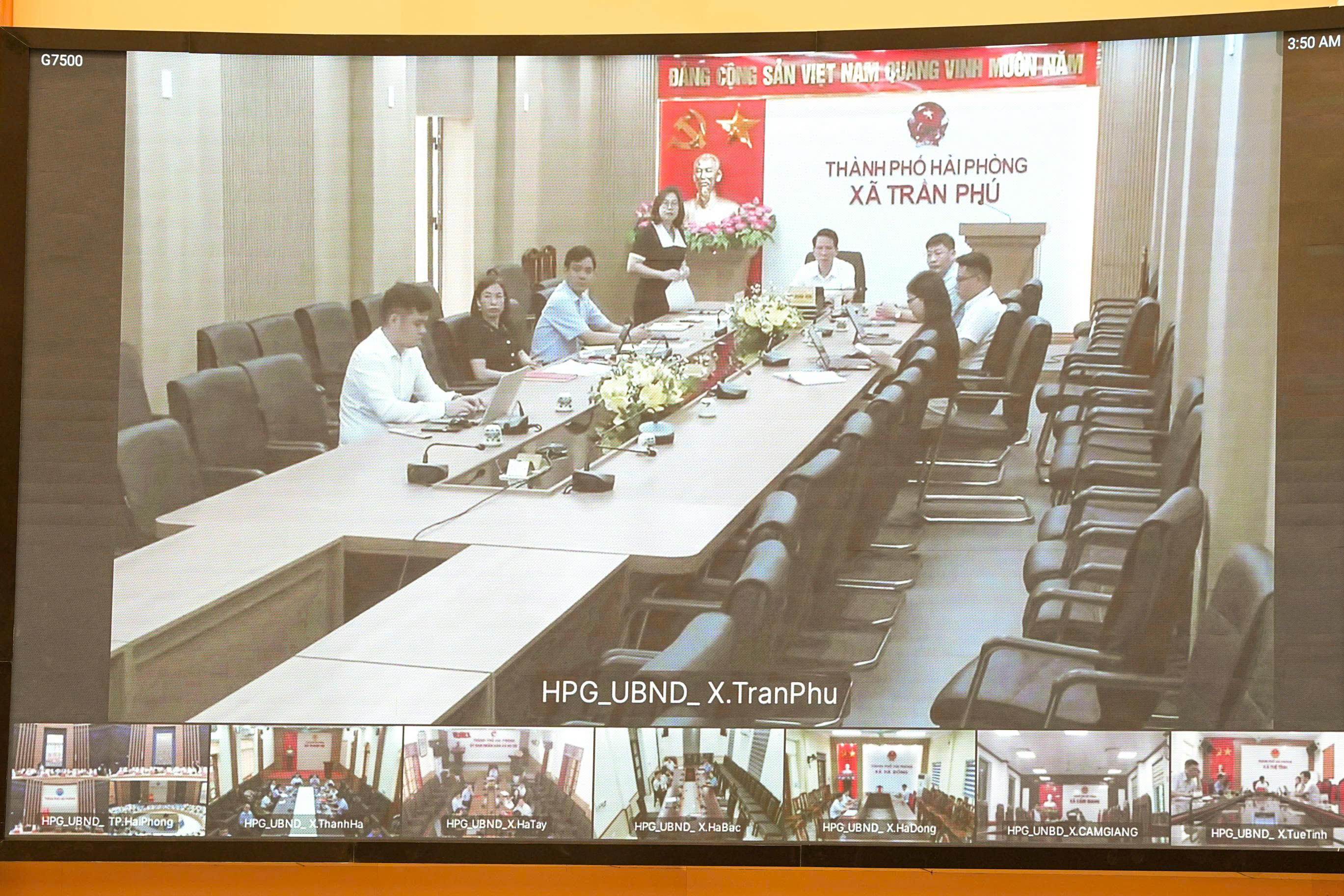
The conference was connected online to venues in the city’s communes, wards and special zone.
In Q1 2026, under the close leadership and direction of the Party Central Committee, the city Party Committee, its Standing Board and Standing Committee, Hai Phong acted proactively and responsibly with strong effort and determination. It largely completed the assigned agenda comprehensively and achieved notable results. Resolutions, conclusions and directives from the central authorities, the National Assembly, the Government, the city Party Committee and the city People’s Council were directed and implemented decisively and effectively from the beginning of the year. The city issued many documents to implement central and municipal resolutions on socio-economic development, organized a joyful, safe and economical Lunar New Year, and held practical activities celebrating the successful 14th National Party Congress and the 96th anniversary of the founding of the Communist Party of Vietnam, creating an upbeat and united atmosphere. The city also successfully held elections for 16th-term National Assembly deputies and People’s Council deputies at all levels for 2026–2031, ensuring democracy, legal compliance, safety and thrift, with a high voter turnout.
The city’s socio-economic development produced many positive results, broadly tracking the growth scenario, with some indicators exceeding it; 11 of 12 indicators are expected to meet or surpass the scenario. GRDP at comparative prices is estimated at VND112.764 trillion, up 11.21% year on year. Cumulative state-budget revenue through March 31, 2026 reached VND58.460 trillion, equal to 30% of the central estimate and 30% of the amount assigned by the city People’s Council. The industrial production index rose 14.9%, above the 14.7% scenario. Retail sales and service revenue are estimated at VND103.270 trillion, up 14.8% year on year. The Prime Minister approved the establishment of the specialized economic zone with a scale of about 5,300 hectares. Hai Phong is actively implementing Politburo resolutions and National Assembly Resolution 226/2025/QH15 on piloting special mechanisms and policies for the city’s development. Efforts to improve the investment and business environment, strengthen competitiveness and support enterprises have been effective. Political security and social order remain stable, supporting major cultural and political activities.
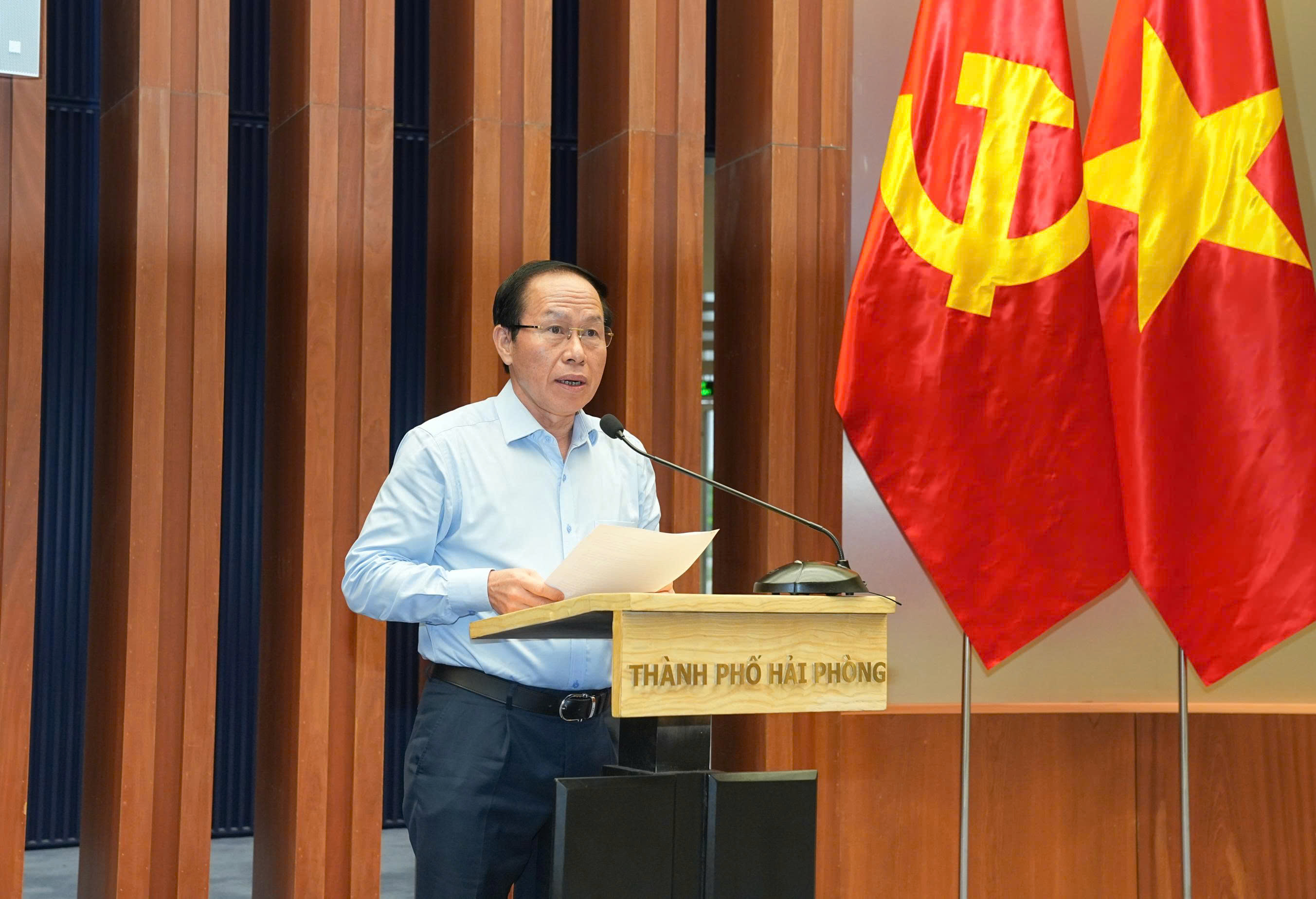
In his concluding remarks, Party Committee Secretary Le Tien Chau said that in Q1 2026 the city Party organization and political system maintained stability, solidarity and unity, which were further strengthened; leadership capacity, organizational strength and administrative effectiveness gradually improved. All Party-building indicators met or exceeded the plan. Fatherland Front committees at all levels served as a bridge between the Party, government and people, creating consensus, stability and momentum for development. The entire political system acted in a coordinated and determined manner, successfully organizing the elections for 16th-term National Assembly deputies and People’s Council deputies for 2026–2031 with democracy, proper procedures and high turnout. Key commune-level personnel have largely been consolidated, while the city-level process is being completed so the new-term apparatus can operate smoothly and effectively.
He stressed that through the end of 2026 the city’s core task is to maintain internal stability and strengthen solidarity and unity throughout the Party organization and political system. This will provide the foundation for mobilizing and using resources effectively and achieving the 13% growth target. He broadly agreed with the limitations identified and with the key tasks and solutions for Q2 and the remaining work of 2026 set out in the report and delegates’ remarks.
The Secretary called for continued efforts to build a united and consistent Party organization and city political system on the principle of democratic centralism. Unity must create a stable environment for socio-economic growth and better material and spiritual lives for the people. The requirement to preserve solidarity and unity within the Party organization must be thoroughly understood; signs of division, irresponsibility or failure to follow directions must be corrected and handled decisively. At the same time, the staff must be promptly and fully consolidated so the apparatus operates smoothly, effectively and efficiently.
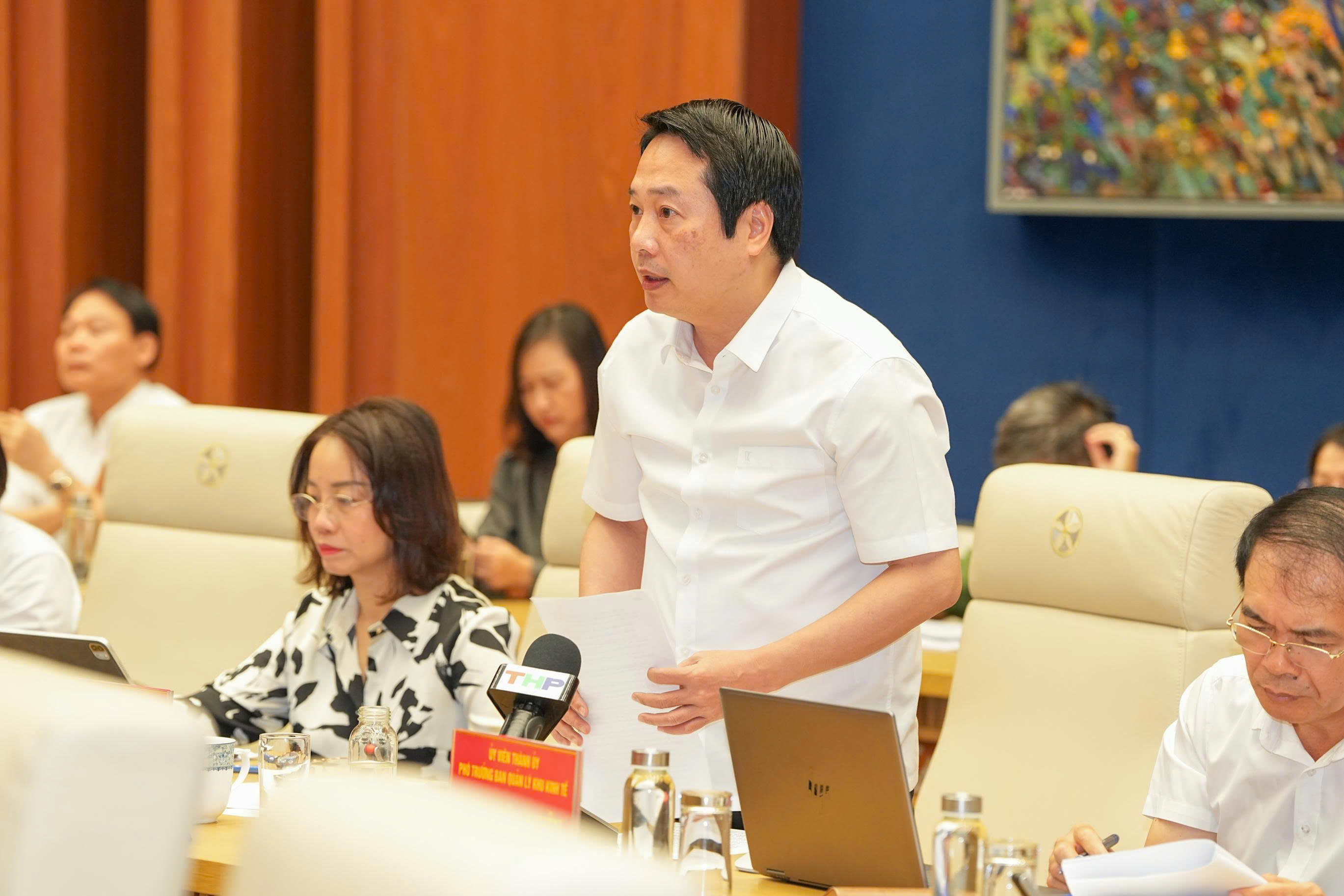
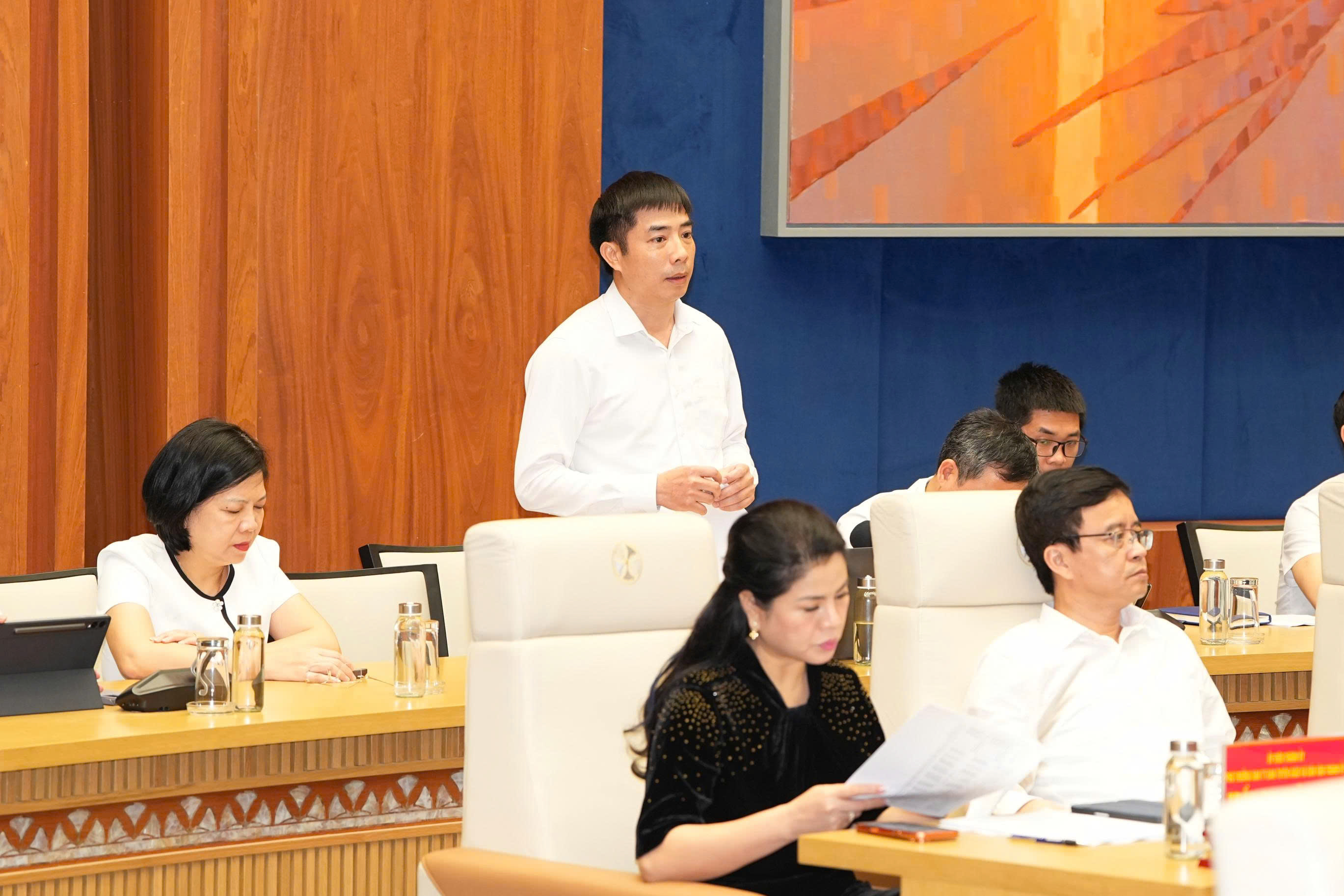
He requested concentrated efforts to complete the 2026–2030 medium-term public investment plan. The city People’s Committee Party Committee must urgently review the entire project list, clearly assess socio-economic impacts, ensure efficient capital use and growth spillovers, set clear priorities, and direct resources to catalytic projects and strategic infrastructure breakthroughs under the city Party Congress resolution. Projects that are scattered, wasteful or lack clear economic efficiency, capital recovery prospects and spillover impact must not be included. Investment proposals must be closely linked to post-investment management and operation plans to ensure effective use and avoid wasting public assets. Leaders should review each project, identify obstacles, responsibilities and deadlines, and urgently remove bottlenecks so projects show clear progress in Q2 and contribute to city growth.
He called for practical solutions to remove difficulties for businesses, minimize official and unofficial time and compliance costs, and restore confidence so enterprises can produce, trade and expand investment with peace of mind. From now to year-end, police, inspection, tax and customs agencies should review all inspection plans for businesses and decisively cut, postpone or combine inspections that are not essential, minimizing overlap and disruption. He asked State Bank Region VI to direct local commercial banks to prioritize credit for production and business, especially key sectors; manage interest rates reasonably, simplify procedures, speed up disbursement, restructure debts and support viable businesses facing difficulties, ensuring capital reaches the right recipients promptly and effectively.
He also called for faster implementation of strategic projects, especially Nam Do Son Port, to expand growth space for industry, logistics, maritime transport and post-port infrastructure. This is urgent for the city’s future as the Dinh Vu–Cat Hai Economic Zone approaches its capacity and transport infrastructure becomes increasingly overloaded. Key strategic tasks must be implemented decisively, with responsibility assigned to each sector head and deadlines set in the action program for the First City Party Congress resolution, particularly the General Secretary’s direction during the recent meeting with the city. Officials must follow through seriously and closely.
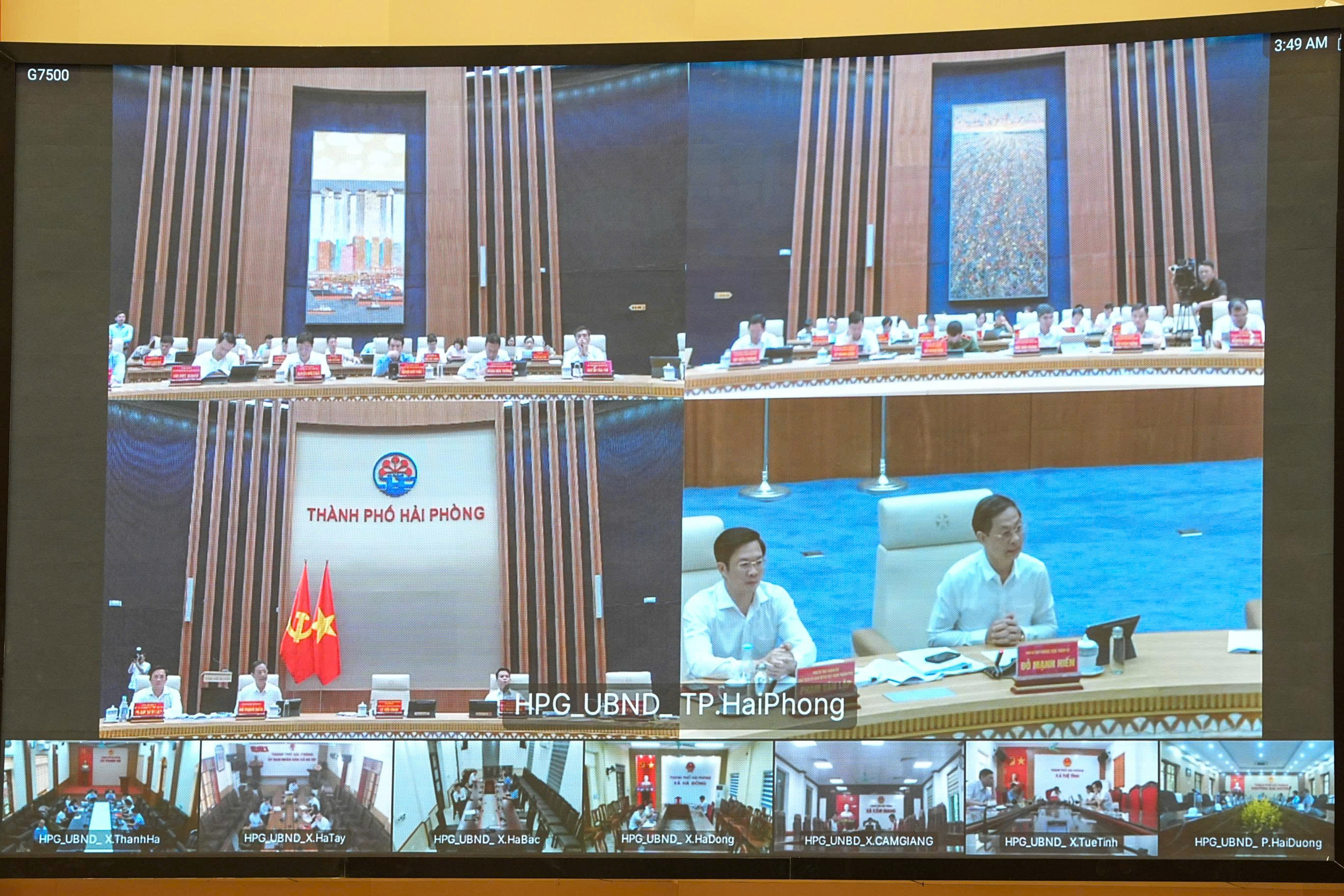
He requested successful organization of the 2026 Red Flamboyant Festival, a distinctive city brand. The festival must be renewed in a youthful, modern and accessible direction suited to residents and visitors. Activities should be lively and creative, increase experience and interaction, make greater use of technology and digital communications, and create broad reach, especially on social networks. It must also be safe, civilized and economical while retaining highlights, closely promoting Hai Phong as dynamic and livable, and becoming a national and international cultural-tourism event. The city must focus on public security and social order, proactively monitor developments and avoid being caught off guard, especially in areas with complaints or potential complications during site clearance.
The Secretary called on all Party committees, authorities, Fatherland Front committees, socio-political organizations, officials and Party members to unite, accompany one another and act more decisively, focusing on overcoming difficulties and removing bottlenecks to make a breakthrough in Q2 and meet or exceed the targets set for 2026.
During the conference, Secretary Le Tien Chau also gave a brief update on the 14th Party Central Committee’s second conference. From March 23 to 25, 2026, in Hanoi, the 14th Party Central Committee held its second conference to discuss, comment on and decide important matters. The Central Committee reviewed regulations, rules and its working program; summarized its resolutions; considered plans for socio-economic development, finance, public investment, and public borrowing and debt repayment for 2026–2030; discussed the policy of establishing Dong Nai as a centrally governed city; reviewed personnel and organizational matters; and considered other important issues.