
On November 25, 2025, the Hai Phong Economic Zone Authority (HEZA) held a meeting with representatives of the Department of Science and Technology, industrial park infrastructure enterprises and major telecommunications operators. The goal was to resolve technical infrastructure issues and achieve 100% 5G coverage in industrial parks this year, implementing City People’s Committee Plan No. 240/KH-UBND on 5G and IoT infrastructure and positioning Hai Phong as a leading locality in digital infrastructure for high-tech industry.
Key targets under Plan 240/KH-UBND:
2025: Achieve 100% 5G coverage in industrial parks and build 80–100 new 5G BTS stations.
2030: Deploy indoor coverage systems (5G IBS) and private 5G mobile networks for about 10 major enterprises.
Hai Phong currently has a large industrial infrastructure system with 43 established industrial parks, 25 of which are operational. Its information “lifeline” is maintained by more than 400 3G/4G BTS stations operated by four networks—Vinaphone, Viettel, Mobifone and Vietnamobile—and a synchronised underground cable network across all operating areas.

However, as high-tech investment flows into the port city, 3G/4G infrastructure is no longer sufficient. Multiplatform connectivity, smart factories and automation require the high speed and low latency of 5G networks.
In practice, although eight enterprises have invested in telecommunications infrastructure, including major names such as Viettel, VNPT, Mobifone, HST and SGT, the number of 5G stations currently stands at only 27—a modest figure compared with the city’s industrial scale.

Nguyen Quang Minh, Deputy Head of HEZA, and leading experts attend the meeting.
At the meeting, HEZA representatives and enterprises candidly identified the “bottlenecks” slowing 5G coverage. Locations for base stations and fibre-optic transmission infrastructure have not been adequately arranged; some telecommunications businesses have not reached agreements with infrastructure investors to lease ducts, chambers and cables. The number of stations and the station ratio in each industrial park also differ significantly, while the proportion of BTS stations transmitting via microwave remains high.
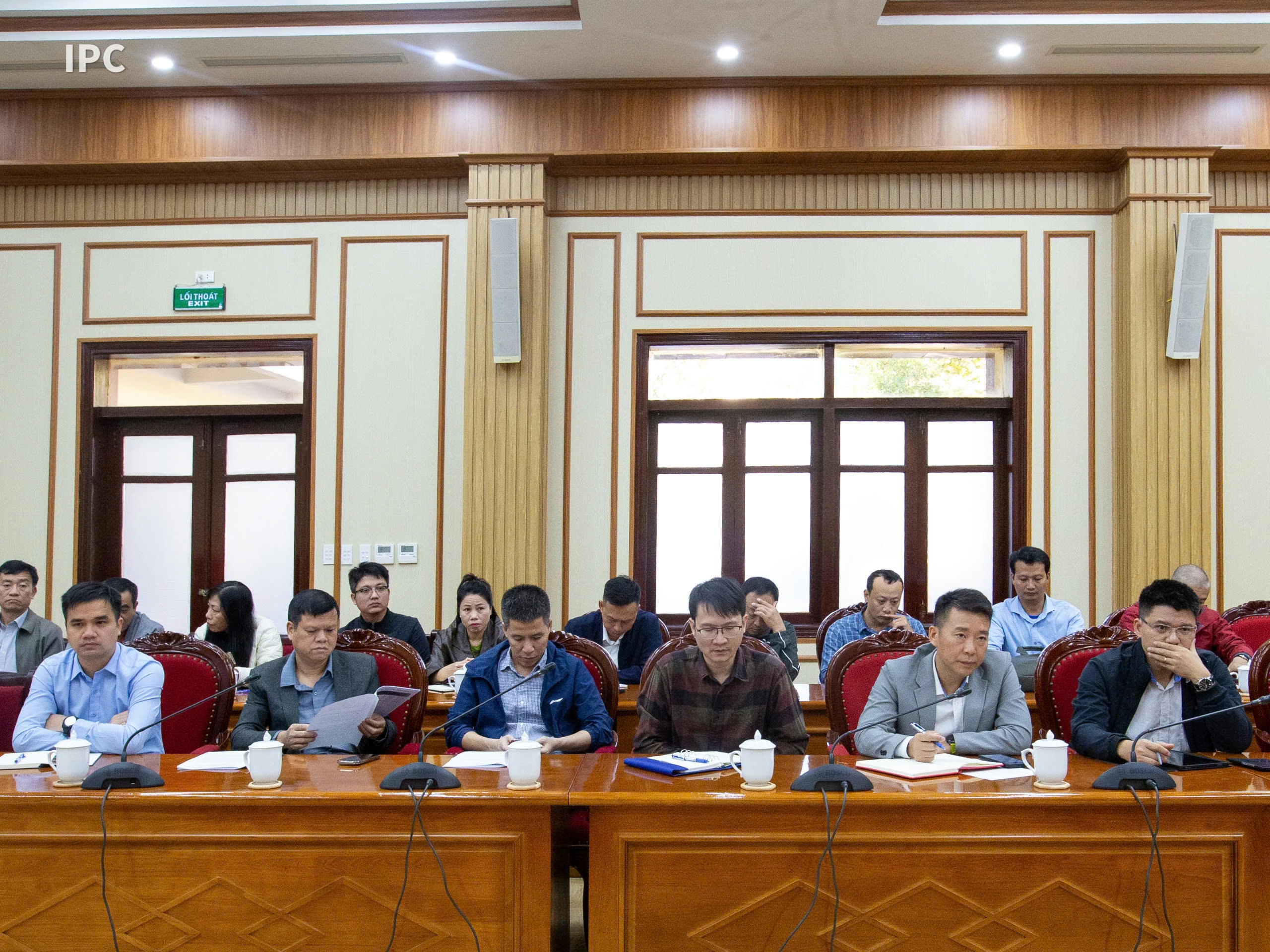

Infrastructure investors report on the situation and obstacles in deploying coverage across the network.

Representative of the Department of Science and Technology
To achieve the 2025 target of approximately 80–100 new BTS stations and deploy private mobile networks (5G Private Mobile Network) for factories by 2030, HEZA affirmed its role in supporting and accompanying investors.
With a specific roadmap and decisive action beginning today, November 25, Hai Phong expects to soon complete a smart industrial ecosystem in which 5G/IoT digital infrastructure becomes a leading competitive advantage of the port city.


Department of Science and Technology materials