
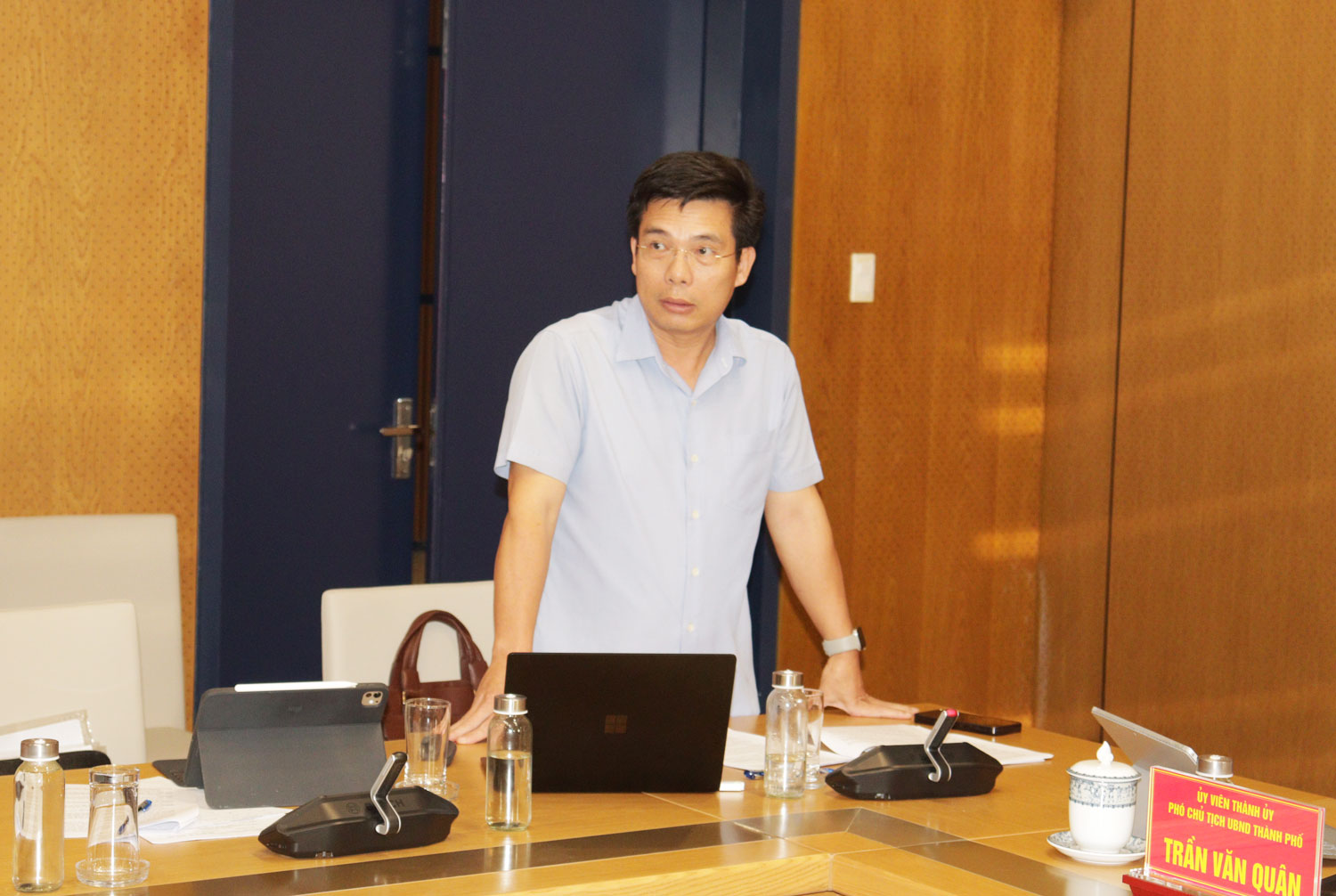
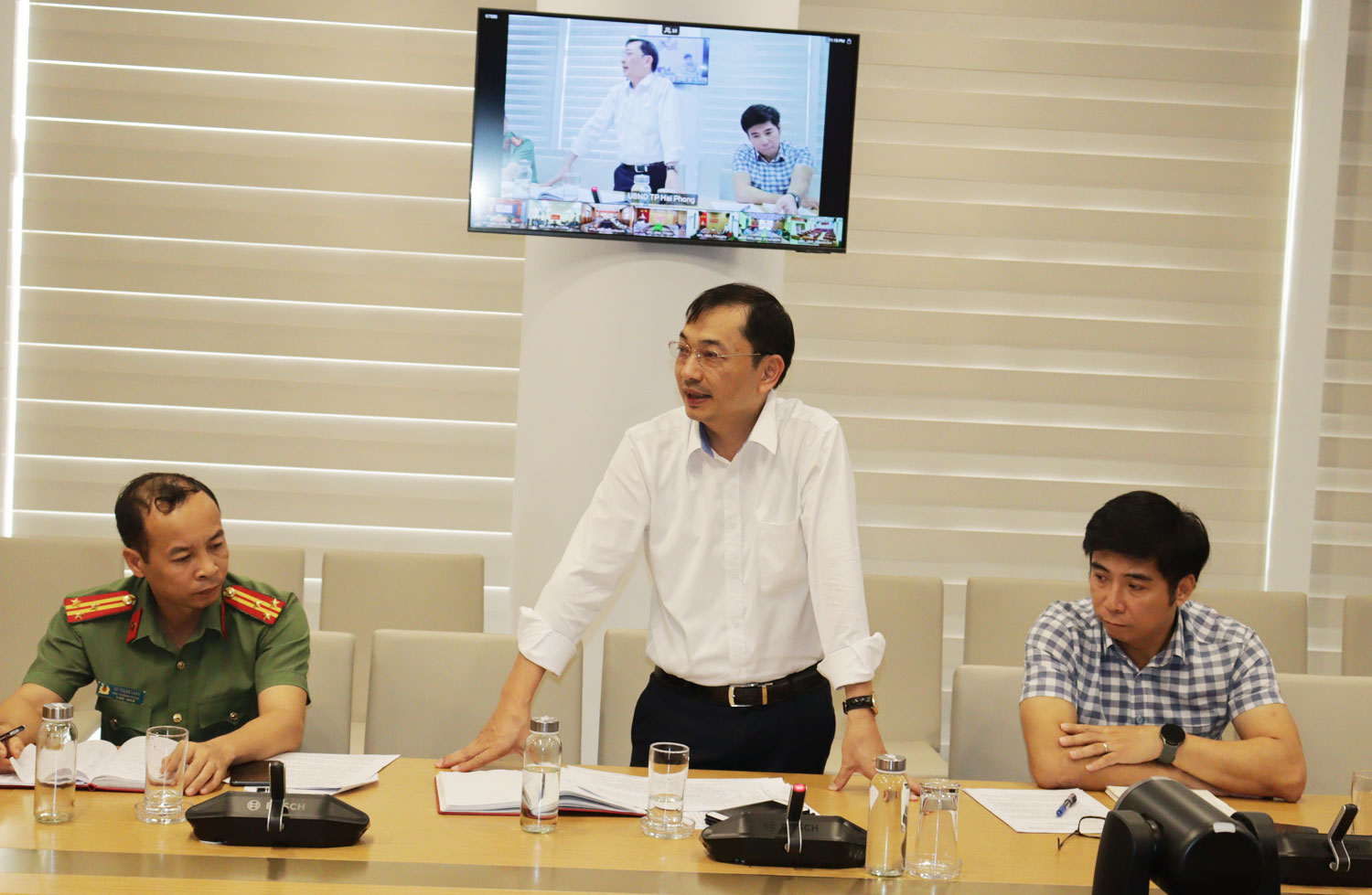
On the afternoon of October 4, the Hai Phong People’s Committee held an online meeting with departments, localities and units to deploy measures for preventing and responding to Typhoon No. 11 in 2025. Tran Van Quan, Vice Chairman of the City People’s Committee, chaired the meeting at the city venue. Representatives of relevant departments, sectors and units also attended.
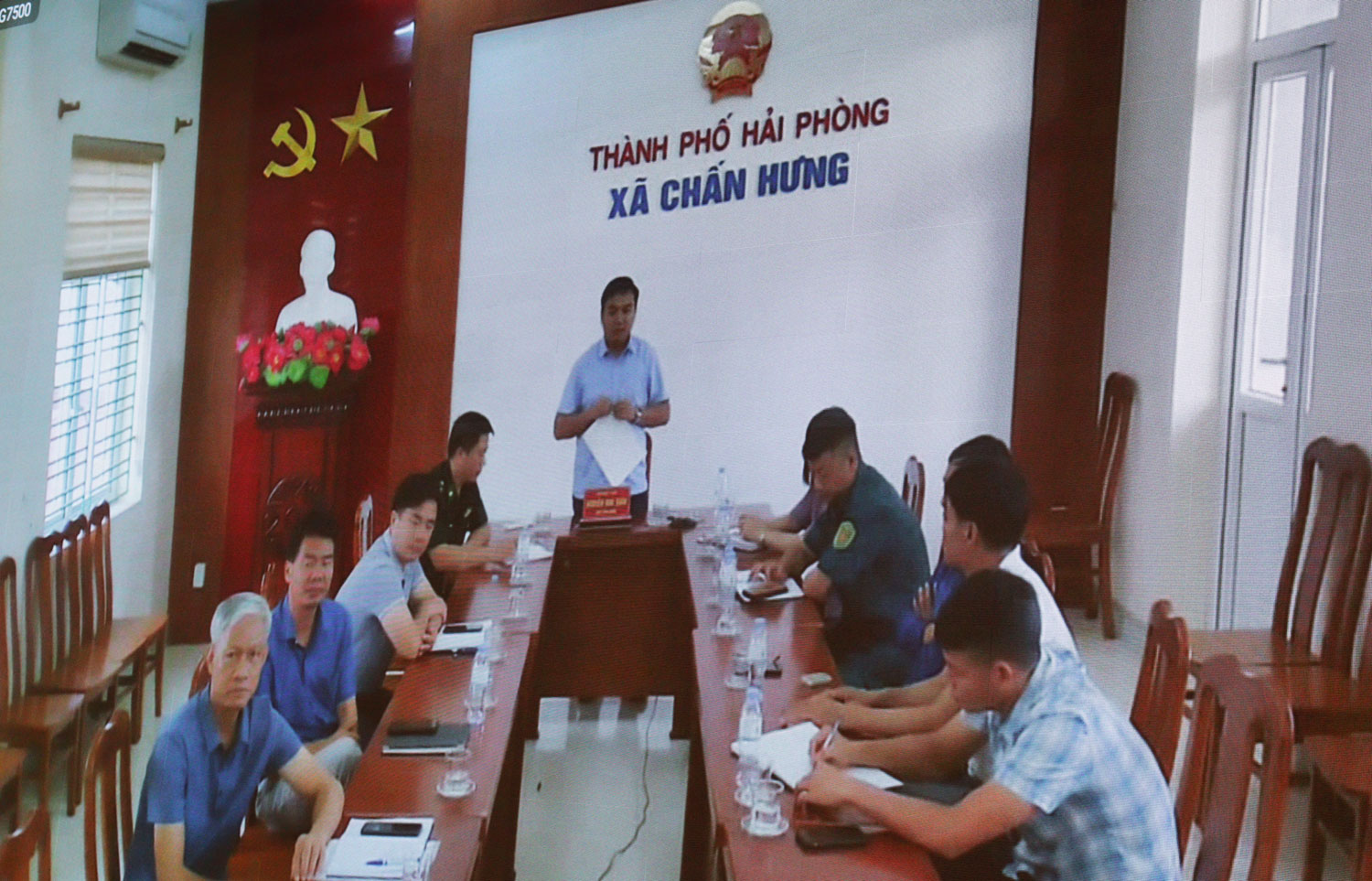
The meeting was connected online to People’s Committee venues in the wards, communes and special administrative zones of Bach Long Vi, Cat Hai, Nam Trieu, Thuy Nguyen, Dong Hai, Hai An, Duong Kinh, Do Son, Nam Do Son, Kien Hai, Hung Thang and Chan Hung.

According to rapid reports from departments, localities and units, implementation of measures to prevent and respond to Typhoon No. 11 was proactive and highly focused in accordance with directions from the central authorities and the city. The city’s hydrometeorological station assessed that Typhoon No. 11 was weakening. It was forecast to have winds at levels 6–7 with gusts at levels 8–9, and by the night of October 5 to affect Hai Phong with strong winds at levels 5–6 and gusts at level 7. Eastern Hai Phong was expected to receive 100–150 mm of rain, while western Hai Phong was expected to receive an average of 70–120 mm. By 2 p.m. on October 4, localities and units had coordinated to count and notify 1,603 vessels and 4,481 workers, as well as 271 aquaculture cages and 233 workers operating or moored in the area, so they could move proactively to safe shelters. The special zones of Bach Long Vi and Cat Hai had basically completed notices and calls for boats to seek shelter.
The city’s dike and irrigation systems, agricultural production, livestock raising and aquaculture activities were kept safe. To date, localities had harvested approximately 2,500 hectares out of 80,760 hectares of summer rice and 15,360 hectares of vegetable crops.
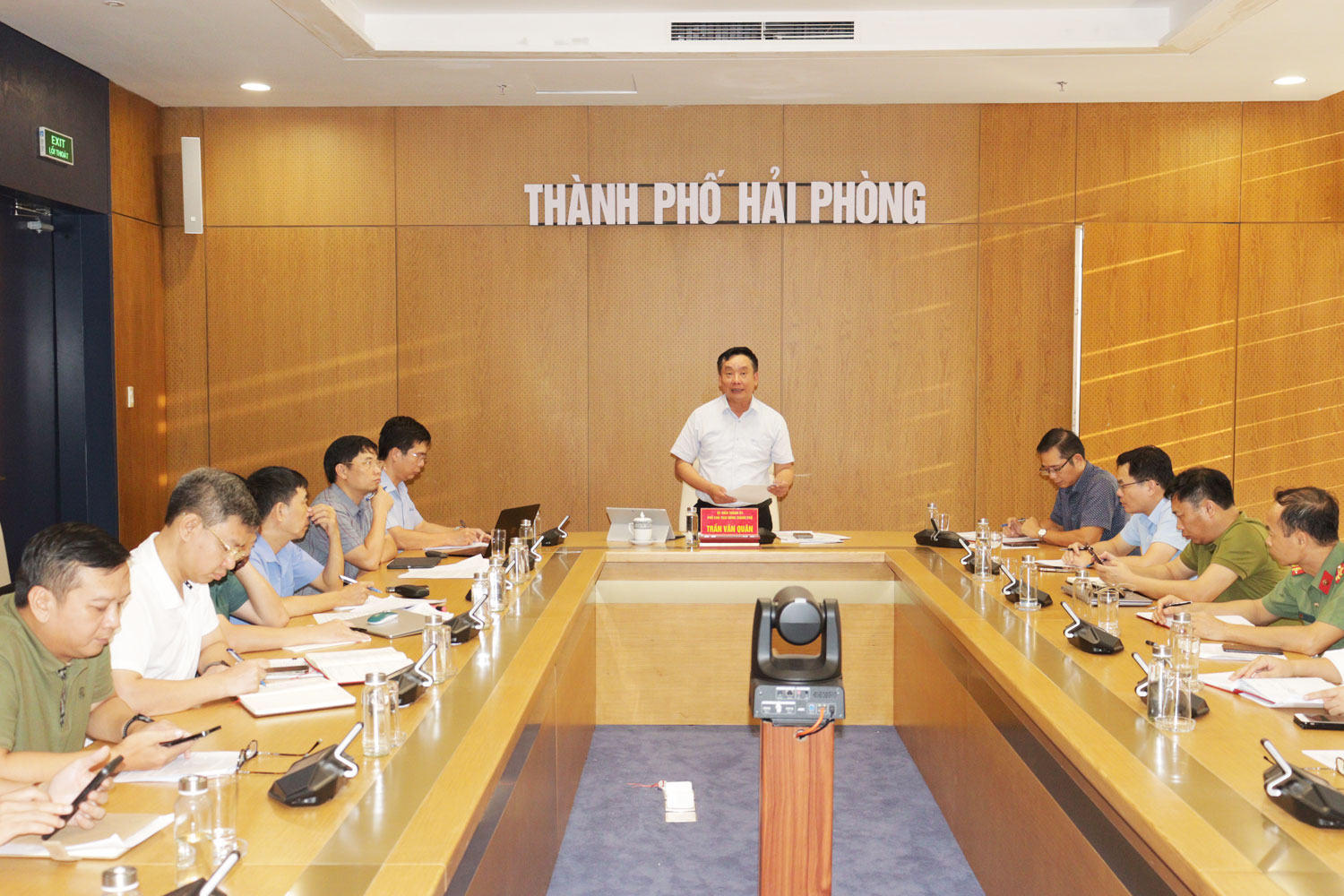
After hearing reports from departments, localities and units, Vice Chairman Tran Van Quan acknowledged the efforts and sense of responsibility shown in carrying out storm-prevention work. He noted that departments, sectors, localities and units must not be complacent, but continue urgently implementing storm-response tasks under the direction of the central authorities and the city, ensuring the safety of people and property and minimizing potential damage from storms and floods. They must regularly monitor the storm and promptly provide information to people and businesses so they can prepare and avoid danger.
The City Border Guard Command was assigned to use every measure to call in and count all fishing and inland-waterway vessels and require them to reach safe shelters before the storm made landfall and affected the city, completing this work before noon on October 5, 2025. Boats were to be arranged and moored at safe shelters. In coordination with localities, no one was to remain on vessels that had reached moorings, aquaculture cages or watch huts when the storm made landfall.
The Vice Chairman asked the Department of Agriculture and Environment to regularly urge and compile reports on storm-prevention work, clearly analyzing the storm’s condition and development in order to propose appropriate directions. The department was to direct and directly inspect drainage in the irrigation system, clear and lower buffer water levels to prevent inundation and protect agricultural production. The Department of Construction was asked to urgently review plans to move residents from old and unsafe apartment buildings, coordinate with localities to relocate them to safe places, and continue directing inspections to ensure construction safety, especially at high-rise projects. The Department of Education and Training was to coordinate closely with localities to use educational facilities as shelters. The Department of Health was to coordinate with localities to evacuate elderly and ill people who could not move independently to safe places.
The city’s public-service enterprises were asked to continue inspecting and pruning and bracing trees, and to prepare vehicles and personnel to deal with storm-damaged trees if necessary. They were also asked to inspect and clear drainage systems and buffer-water drainage in order to prevent flooding in inner-city areas.
The Vice Chairman asked the People’s Committees of communes, wards and special administrative zones to urgently and proactively implement resident-evacuation plans according to approved scenarios and plans, absolutely ensuring people’s lives. They must continue coordinating with border-guard forces to count vessels, cages and aquaculture watch huts and require them to move to safe shelters, without allowing people to remain on such facilities when the storm makes landfall. Tourists in coastal areas must continue to be counted and informed so they can take precautions. Materials and personnel for rescue and incident response must be ready.
For localities in western Hai Phong, the Vice Chairman asked them to strictly patrol, guard and protect the entire dike system according to alert levels, avoid being caught off guard, and immediately formulate response plans to remedy consequences and reduce risks at weak dike sections. They must maintain 24-hour duty and closely monitor water levels in rivers and tides so that flexible and practical measures can be taken.
Source: Hai Phong City Electronic Information Portal