On the afternoon of November 17, Vice Chairman of the Hai Phong City People’s Committee Tran Van Quan, together with leaders of several departments and sectors, inspected the implementation and public-investment disbursement progress of several public-investment projects in the area of the former Tu Ky district and the operation of the two-tier local-government model in Chi Minh Commune.
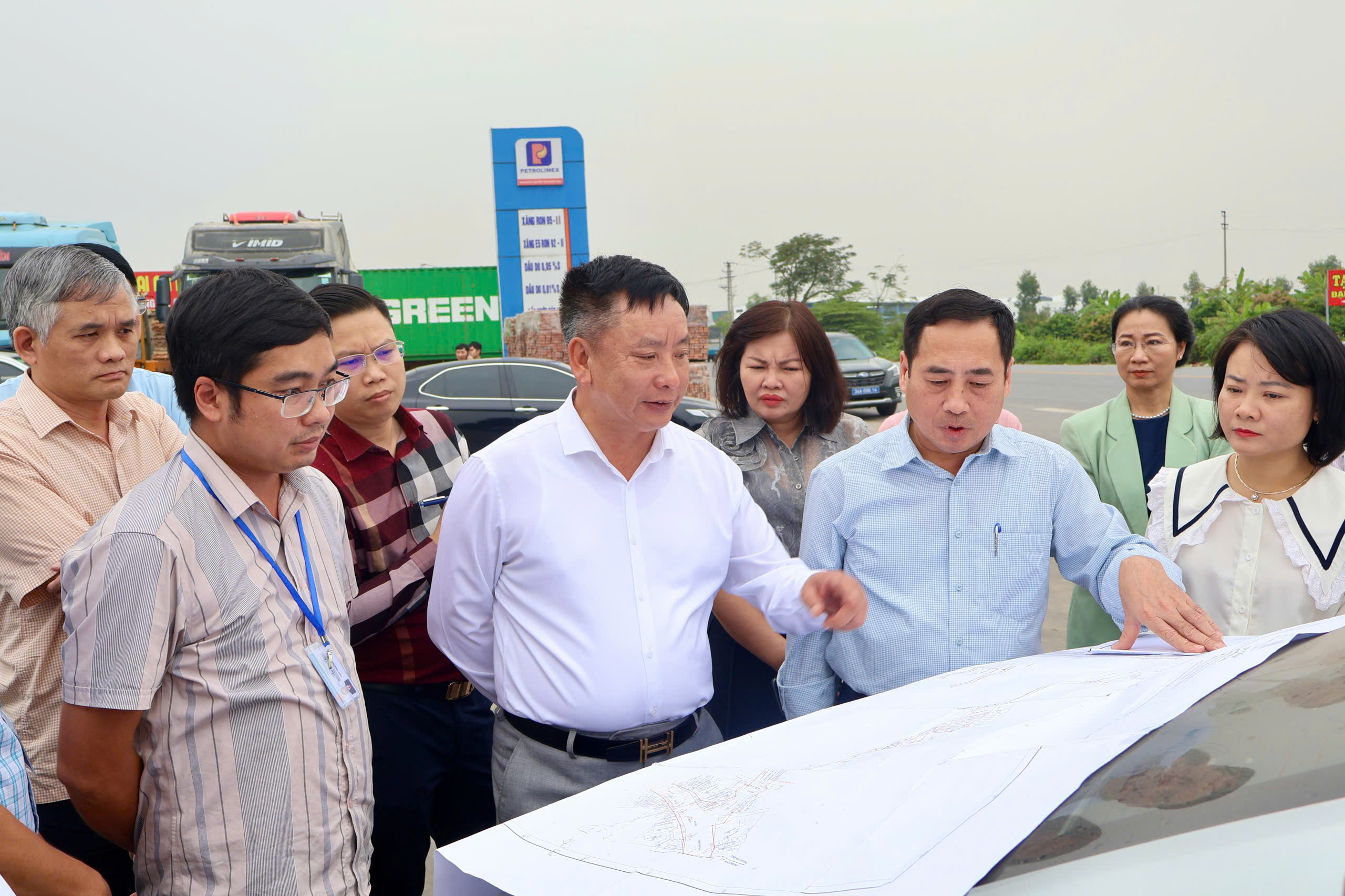
During an on-site inspection of the project to renovate and upgrade Provincial Road 391, from K24+600 to Km29+325 through Nguyen Giap Commune; the project to renovate and upgrade Provincial Road 191Q through Lac Phuong Commune; and the project to build the extended Provincial Road 396, connecting Provincial Road 391 to Provincial Road 390 through Lac Phuong Commune, the Vice Chairman praised the efforts of the localities and the construction investment project management boards in site clearance and project implementation. However, to meet the required targets and schedule, he asked the localities to continue implementing solutions more effectively to resolve site-clearance difficulties, enabling contractors to accelerate construction and put the works into operation soon for the socio-economic development of the localities and the city as a whole.
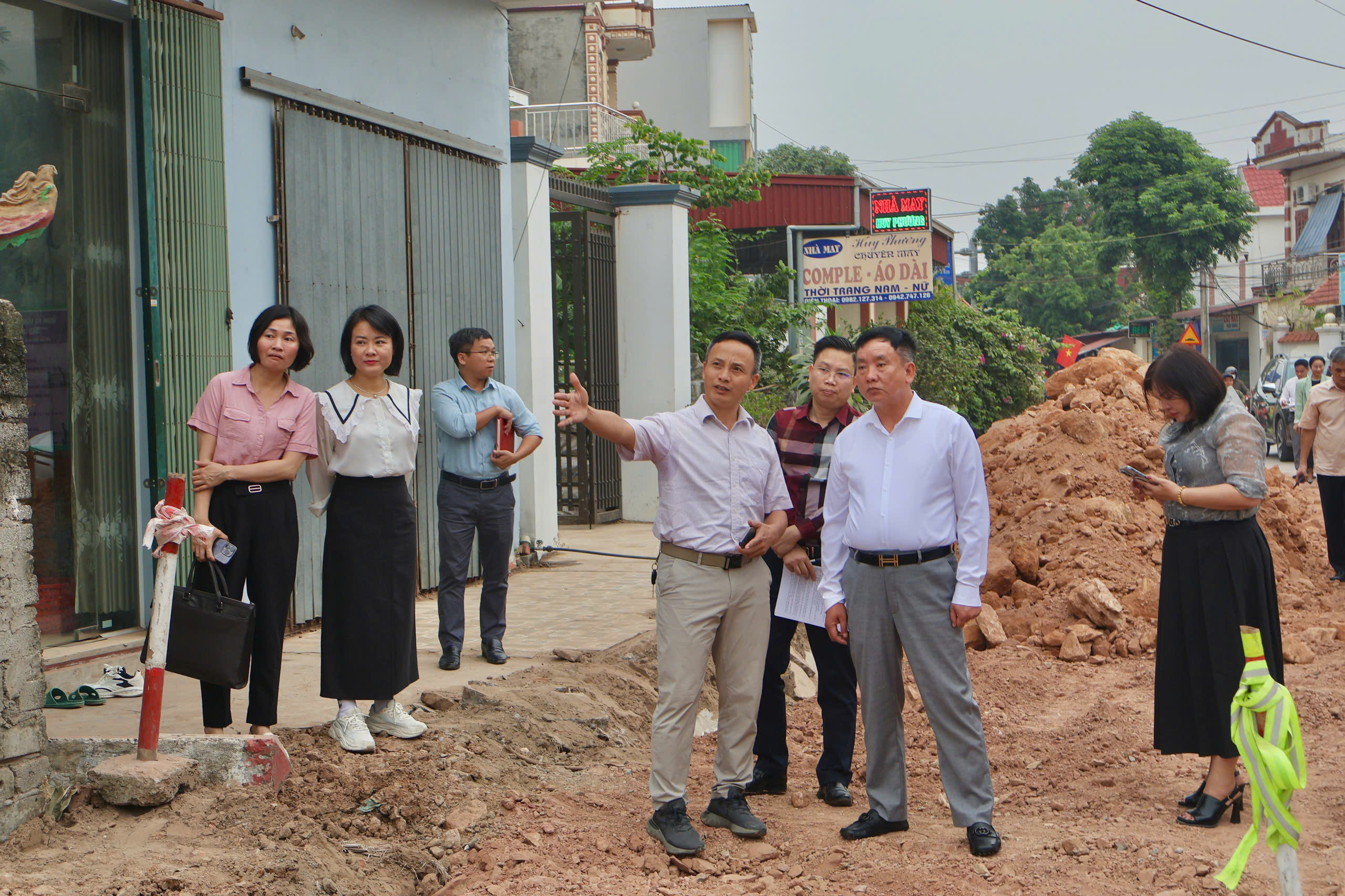
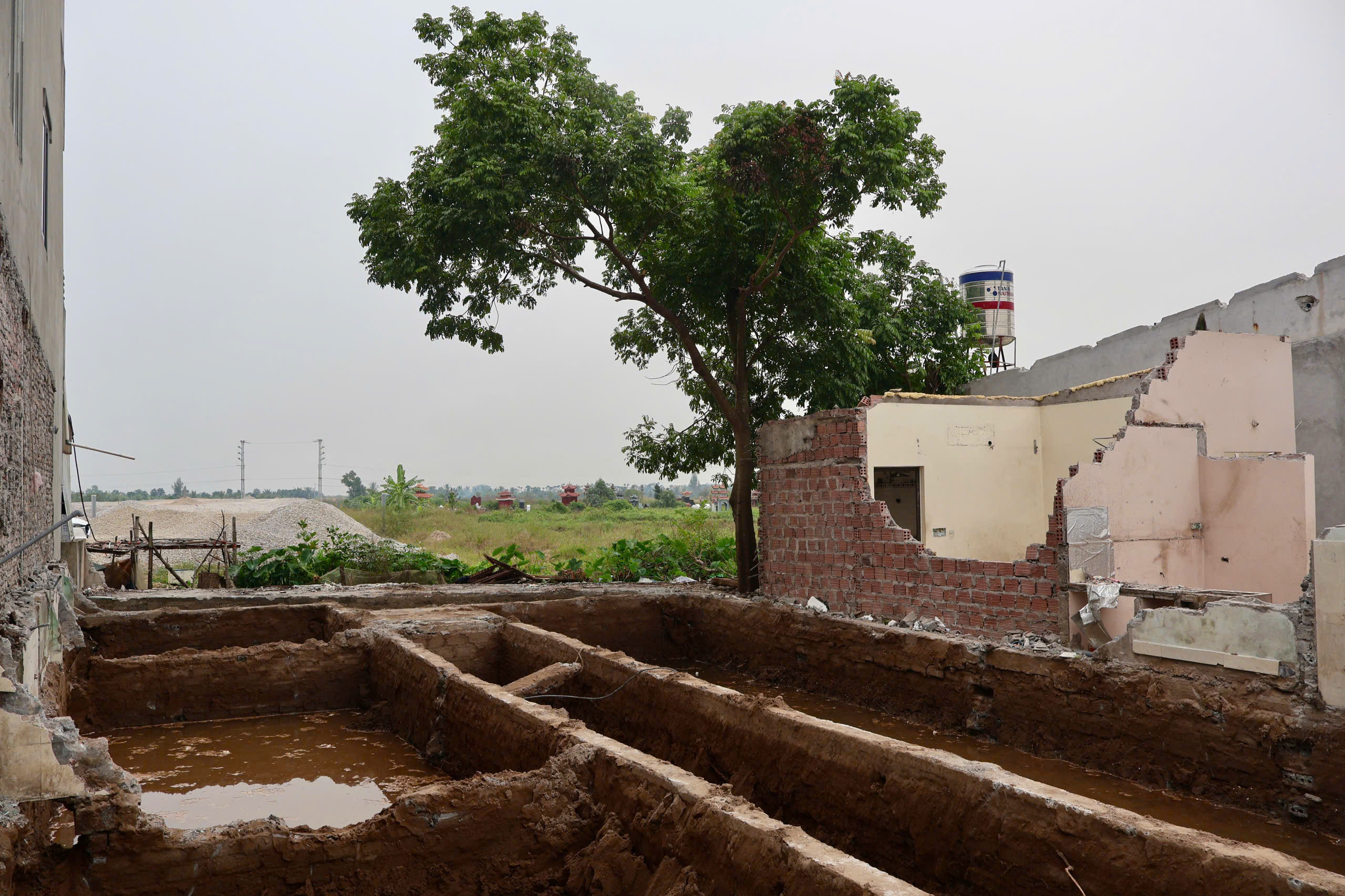
The project to renovate and upgrade Provincial Road 391, from K24+600 to Km29+325, is invested by the West Hai Phong Construction Investment Project Management Board. It has a total investment of more than VND 274 billion, including approximately VND 157 billion for construction and installation and more than VND 82 billion for site clearance. The project will widen the roadbed to 17.5 m and the carriageway to 15.5 m in accordance with Class A1 road standards. It covers Nguyen Giap Commune, with approximately 4.2 hectares to be acquired. Site clearance is being carried out urgently. All 70 households affected by agricultural-land acquisition have been approved for compensation and fully paid, covering a total acquired length of 625 m. Regarding residential land, the project affects 49 households, about 10 of which are eligible for resettlement; a resettlement area is expected to be developed in An Quy Village. As of November 15, 2025, the project had disbursed VND 18.4 billion, or 32% of the plan. The project management board expects to disburse a further VND 5 billion in November and approximately VND 18.5 billion in December to complete the 2025 disbursement target.
According to a report by the Tu Ky Area Construction Investment Project Management Board, the unit is currently implementing six key projects. Most construction items are on schedule and meet technical requirements. The project to build a replacement for Khau II Culvert (Trieu Giao Culvert) has completed the culvert body and is constructing the energy-dissipation basin. The project to repair and reinforce the right-bank Thai Binh dyke section from K50+809 to K52+261 has completed the retaining wall and wheel stops and has basically finished slope trimming and embankment along the entire route. The project to repair the left bank of the Cai Canal through Lac Phuong Commune has completed earth filling for the roadbed and is compacting and trimming the slope in preparation for placing crushed-stone aggregate.
Notably, the project to renovate and upgrade infrastructure for organic rice production combined with the harvesting of rice-field fish and crabs in An Thanh and Quang Trung communes is entering the stage of completing its in-field culverts. In Quang Khai Commune, the aquaculture-area infrastructure project has completed concreting two main roads and is constructing auxiliary works. The project to renovate and upgrade District Road 191Q through Quang Trung, Tien Dong and Nguyen Giap has excavated the roadbed, placed K95–K98 embankment material, spread crushed-stone aggregate and installed culverts as planned.
Alongside construction progress, the unit has seriously implemented public-investment disbursement. The total allocated capital is VND 198.294 billion; by November 14, 2025, VND 163.713 billion had been disbursed, reaching 82%. Projects with high disbursement rates include the upgrade of District Road 191Q, which reached more than VND 27.5 billion out of VND 30 billion, and the organic-rice production infrastructure project, which reached VND 16.67 billion out of VND 24.5 billion.
In addition to the results achieved, the Tu Ky Area Construction Investment Project Management Board identified several difficulties, including weather conditions because construction is taking place during the storm and rainy season. Differences in site-clearance compensation policies between the former Hai Duong and Hai Phong have also caused obstacles in mobilizing residents to donate land for Road 191Q. Some projects involving irrigation and dyke works must obtain approval to adjust their designs, leading to extended timelines.
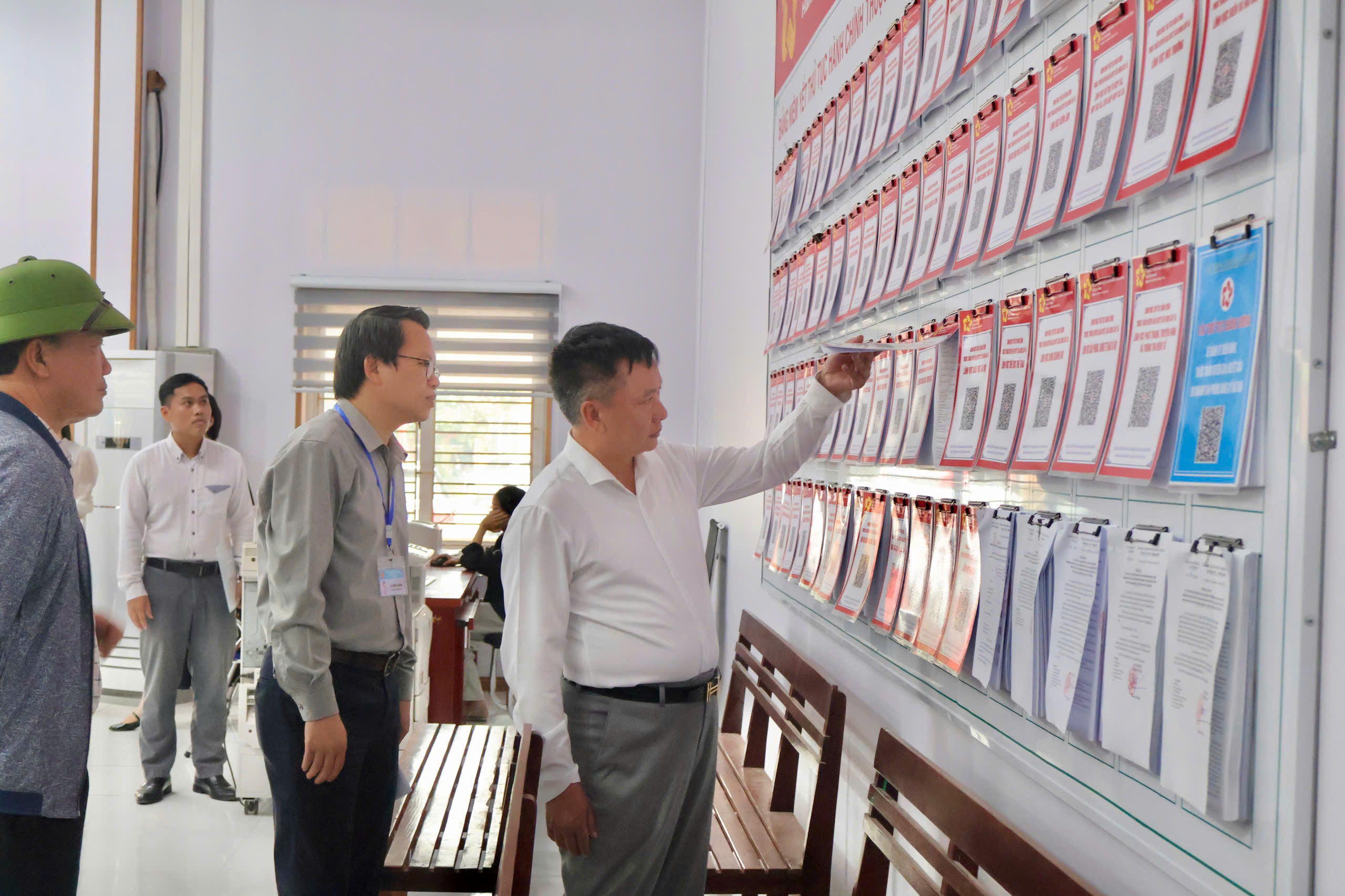
At the meeting with Vice Chairman Tran Van Quan, in addition to reporting on implementation and public-investment disbursement for ongoing projects, the leaders of Tan Ky, Tu Ky, Nguyen Giap, Lac Phuong and Chi Minh communes reported on the operation of the two-tier local-government model. They pointed out several major difficulties, including a large workload while staffing remains inadequate; obstacles in processing some administrative procedures because of complex legal regulations; unsynchronized information-technology infrastructure; slow responses from shared databases; some officials’ unfamiliarity with new work-processing procedures; and residents’ limited access to information technology. These issues make administrative-procedure processing difficult.
Speaking at the meeting, Vice Chairman Tran Van Quan acknowledged the initial results achieved by the communes in operating commune-level authorities under the new model and serving residents’ needs. Regarding the communes’ difficulties, obstacles and recommendations, he asked the departments and sectors to continue coordinating, providing guidance and helping the communes resolve them. The communes should also proactively study and apply solutions within their delegated authority, continue to improve the effectiveness of the new local-government model, raise service quality for residents, accelerate digital transformation, and review and resolve 100% of residents’ administrative-procedure dossiers.
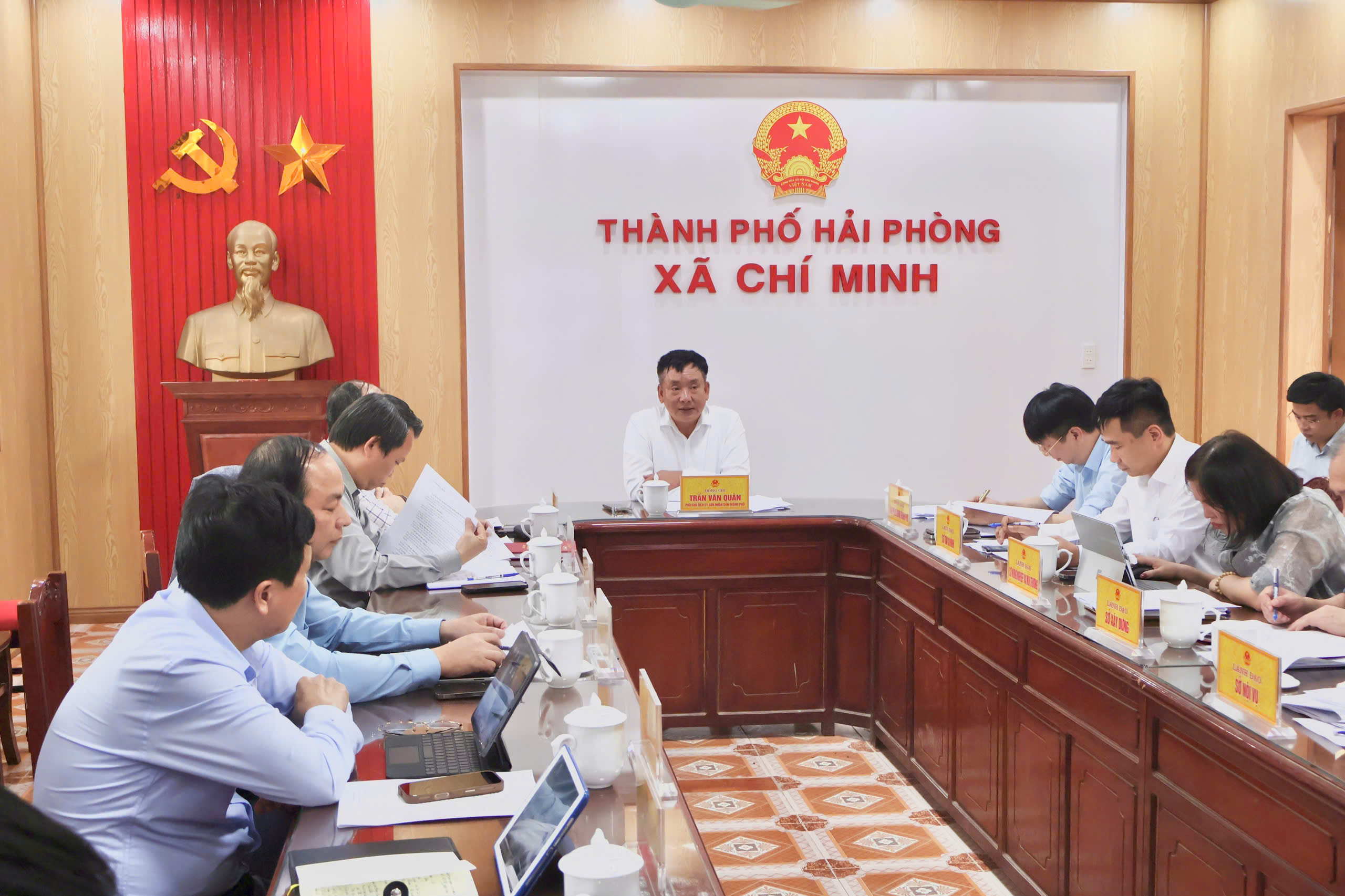
For public-investment projects, the Vice Chairman asked the localities to be more determined in site clearance, comply with their committed schedules, hand over sites to contractors, and strive to meet or exceed disbursement plans.
Comrade Tran Van Quan reminded the communes in the former Tu Ky area to pay attention to planning, considering it a key task for exploiting development potential, while avoiding fragmented investment, especially in interregional transport planning.
The Vice Chairman also asked the localities to focus immediately on several key tasks, including thorough preparation for the election of National Assembly deputies and People’s Council deputies at all levels./.
Source: Hai Phong City Electronic Information Portal